
Why the Holidays Are Torture for Brain Injury and POTS Patients: A Doctor's Personal Story
Dr. Joseph Schneider, host of the My POTS podcast, brings over three and half decades of functional neurology experience to understanding traumatic brain injury and dysautonomia, but his expertise gained profound depth eight years ago when he suffered his own stroke. As founder of Hope Brain Body Recovery Center and Hope Regeneration Center, Dr. Schneider has treated thousands of patients with neurological conditions, yet his personal journey through stroke recovery revealed truths about brain injury that even experienced neurologists often miss. His dual perspective as both treating physician and recovering patient provides unique insights into why the holiday season creates unique torture for brain injury survivors.
About This Blog
Dr. Joseph Schneider, host of the My POTS podcast, brings over three and half decades of functional neurology experience to understanding traumatic brain injury and dysautonomia, but his expertise gained profound depth eight years ago when he suffered his own stroke. As founder of Hope Brain Body Recovery Center and Hope Regeneration Center, Dr. Schneider has treated thousands of patients with neurological conditions, yet his personal journey through stroke recovery revealed truths about brain injury that even experienced neurologists often miss. His dual perspective as both treating physician and recovering patient provides unique insights into why the holiday season creates unique torture for brain injury survivors.
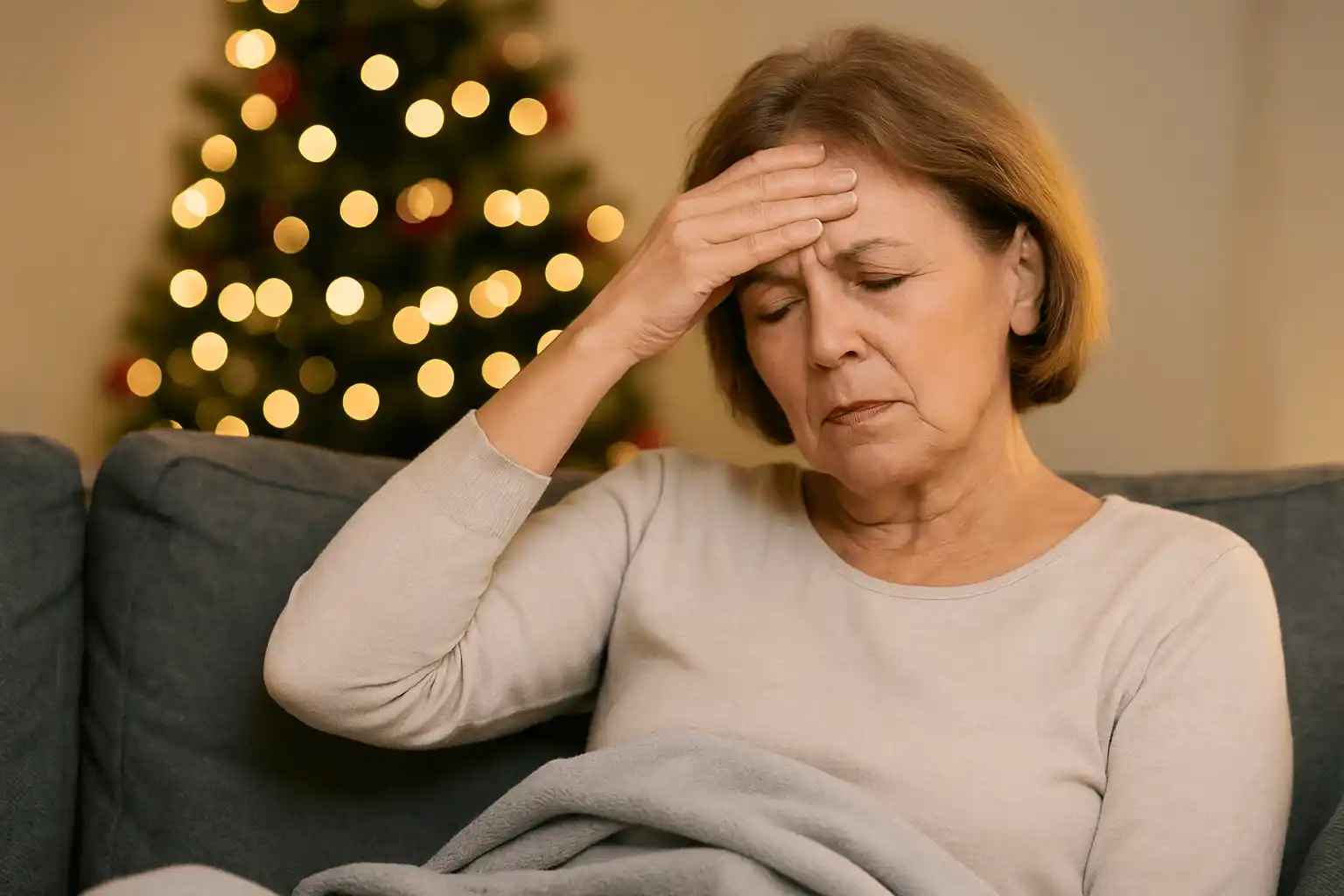
The twinkling lights, festive gatherings, and joyful celebrations that define the holiday season represent a sensory minefield for patients with POTS, dysautonomia, and brain injuries. Dr. Schneider observes that every single brain injury patient in his practice demonstrates some degree of autonomic dysfunction, creating a constellation of symptoms that make holiday participation nearly impossible. While healthy people anticipate family gatherings with excitement, brain injury patients face them with dread, knowing the sensory overload will trigger debilitating symptoms followed by days of recovery. This creates a cycle of guilt, shame, and isolation during what should be the most connected time of year.
The Hidden Sensory Nightmare of Holiday Celebrations
Christmas lights aren't just decorations for brain injury and POTS patients - they're neurological triggers that expose underlying autonomic dysfunction. When someone with dysautonomia walks into a room with twinkling holiday lights and glowing Christmas trees, their pupils cannot regulate properly to adjust to the changing light levels. This pupil regulation failure, controlled by the same autonomic nervous system that manages heart rate and blood pressure, creates immediate anxiety and headaches that healthy people never experience.
The visual overload doesn't stop with lights. Holiday gatherings pack multiple people into confined spaces, creating movement and visual stimulation that overwhelms damaged brains struggling to process sensory information. Add the auditory assault of crowded parties where everyone talks simultaneously, television broadcasts of football games with cheering crowds, and music playing in the background, and you create conditions that trigger the exact symptoms brain injury patients spend the rest of the year trying to avoid.
Temperature regulation adds another layer of difficulty. Moving from cold outdoor air into overheated homes filled with people creates the rapid temperature changes that dysautonomia patients cannot handle. Their autonomic nervous systems, already compromised by brain injury, fail to coordinate the blood vessel dilation and constriction necessary to maintain stable body temperature. This triggers cascading symptoms including fatigue, brain fog, dizziness, and the overwhelming need to escape environments that everyone else finds comfortable and festive.
The Emotional Burden No One Sees
The physical symptoms represent only half the struggle brain injury patients face during the holidays. The emotional burden of missing celebrations with loved ones creates guilt and shame that compounds the neurological dysfunction. Patients desperately want to participate in family gatherings, create memories with their children, and maintain the traditions that once defined their holiday experience. Instead, they sit in dark, quiet rooms while life happens without them, feeling like failures for not being able to "just try harder" as well-meaning family members suggest.
This isolation feeds depression as patients wonder if they'll ever recover enough to reclaim their pre-injury lives. The holiday season highlights everything brain injury has stolen - the ability to tolerate normal social environments, participate in family traditions, and function as the person they used to be. Caregivers often struggle to understand this invisible suffering, seeing someone who looks physically fine but refuses to join celebrations, leading to judgments about motivation and effort rather than recognition of legitimate neurological limitations.
Dr. Schneider shares his own experience of family members commenting that his stroke "wasn't that bad" and he was "lucky" to have access to good care. Even as a neurologist running a brain injury recovery center, he faces dismissal of his ongoing struggles eight years post-stroke. This medical gaslighting from the people closest to him illustrates why brain injury patients feel isolated even when surrounded by family who claim to care.
The Breakthrough After Eight Years: Wharton's Jelly Stem Cell Therapy
Dr. Schneider's recovery journey mirrors the comprehensive neurological rehabilitation approach he provides patients. For years, he combined neurofeedback, oxygen therapy, exercise protocols, and functional medicine interventions to regain function lost to his stroke. However, this year brought a breakthrough that elevated his recovery to a new level: Wharton's jelly stem cell therapy delivered intranasally.
The regenerative treatment using stem cells and exosomes from Wharton's jelly has transformed Dr. Schneider's exercise tolerance. Before this therapy, attempting daily exercise triggered overwhelming fatigue and brain fog that forced him to choose between physical rehabilitation and maintaining enough cognitive function for work. The stem cell therapy enables him to maintain consistent daily exercise across multiple modalities, including:
Stationary bike for cardiovascular conditioning
Swimming movements with resistance equipment
Upper and lower body strength training
Core work, including sit-ups and planks
Rowing machine for integrated movement patterns
Stair climber for functional strength
Balance training on Bosu ball with weights
Kettlebell exercises for power development
This comprehensive exercise program would have been impossible even two years ago. The exponential improvement Dr. Schneider's experiences personally mirror what he observes in patients receiving the same regenerative therapy through Hope Regeneration Center. Patients who plateau in their recovery suddenly show dramatic improvements in their ability to engage with rehabilitation protocols.
Understanding Changes
Dr. Schneider directs his holiday message not to patients struggling with symptoms but to caregivers who don't understand why their loved ones can't participate in celebrations. The tendency to believe patients just need to try harder, push through discomfort, or choose to get out of bed reflects fundamental misunderstanding of how brain injury creates physical limitations that willpower cannot overcome.
When autonomic dysfunction prevents proper pupil regulation, no amount of motivation will stop the headaches triggered by Christmas lights. When damaged neural pathways cannot process auditory information efficiently, determination won't prevent the sensory overload of crowded parties. When brainstem circuits controlling temperature regulation remain dysfunctional, positive thinking won't enable normal thermoregulation in overheated rooms.
Understanding these neurological realities allows caregivers to support recovery rather than adding judgment and guilt to the already overwhelming burden brain injury patients carry. Small accommodations like dimming lights, limiting gathering sizes, maintaining moderate temperatures, and accepting that participation might need to be brief can transform holidays from torture into manageable experiences that don't trigger symptom flares requiring days of recovery.
Your 2026 Recovery Starts Now
If you're heading into another holiday season trapped by brain injury limitations, understand that recovery remains possible even years after injury. Dr. Schneider's eight-year journey demonstrates that the brain retains capacity for healing throughout life when provided with comprehensive, regenerative support rather than just symptom management. The key is finding practitioners who understand that brain injury requires integrated treatment addressing neurological function, autonomic regulation, and cellular regeneration simultaneously.
To learn more about comprehensive brain injury recovery including regenerative therapies and hear Dr. Schneider's complete story, listen to the full episode on My POTS Podcast and visit HopeBrainCenter.com. Your recovery doesn't have a finish line, but it also doesn't have to stop at the limitations conventional medicine accepts as permanent. The 2026 version of you can function at levels you currently think impossible.
Connect with Dr. Joseph Schneider:
Website: Hope Brain and Body Recovery Center; Hope Regeneration Center
Podcast: MyPOTSPodcast.com
LinkedIn: Joseph Schneider
YouTube: HopeBrainBodyRecoveryCenter
Instagram: @HopeBrainCenter_
Facebook: Hope Brain and Body Recovery Center
Related Blog
Duis mi velit, auctor vitae leo a, luctus congue dolor. Nullam at velit quis tortor malesuada ultrices vitae vitae lacus. Curabitur tortor purus, tempor in dignissim eget, convallis in lorem.


Comments