
Trigger Brain Autophagy and Activate Your Brain's Self-Cleaning System with Chicken & Broccoli
Dr. Joseph Schneider has spent over 35 years as a functional neurologist treating patients with traumatic brain injury, but his expertise gained profound depth through surviving four separate brain traumas that should have ended his career and possibly his life. As founder of Hope Brain Body Recovery Center and host of My POTS Podcast, Dr. Schneider's personal journey through windshield impact, drunk driver collision, tubing accident, and hemorrhagic stroke transformed him from treating brain injury theoretically to understanding recovery from the inside. His discovery of ketogenic diet protocols that triggered autophagy and cleared supposedly permanent brain damage represents a breakthrough that challenges conventional neurology's limitations.
About This Blog
Dr. Joseph Schneider has spent over 35 years as a functional neurologist treating patients with traumatic brain injury, but his expertise gained profound depth through surviving four separate brain traumas that should have ended his career and possibly his life. As founder of Hope Brain Body Recovery Center and host of My POTS Podcast, Dr. Schneider's personal journey through windshield impact, drunk driver collision, tubing accident, and hemorrhagic stroke transformed him from treating brain injury theoretically to understanding recovery from the inside. His discovery of ketogenic diet protocols that triggered autophagy and cleared supposedly permanent brain damage represents a breakthrough that challenges conventional neurology's limitations.
The title "Chicken and Broccoli" references Dr. Schneider's turning point at a 2005 Barry Sears seminar in Boston, where he learned about the Zone diet's 40-30-30 macro-nutrient balance and met a chiropractor who had completely reversed heart disease through dietary intervention. This seemingly simple food combination became the foundation of his neurological recovery protocol, proving that brain healing depends more on metabolic optimization than pharmaceutical intervention. Research confirms that ketogenic diet has been identified as a potential therapy to enhance recovery after TBI, demonstrated to reduce cerebral edema, apoptosis, and improve cerebral metabolism and behavioral outcomes PubMed.
The Four Brain Traumas That Changed Everything
Dr. Schneider's neurological crisis began in August 2004, when an auto accident sent him through the windshield, creating severe brain trauma with five minutes of unconsciousness and a compound fracture requiring surgery. The immediate aftermath brought POTS, severe sleep apnea with oxygen levels dropping to 80%, and only 20 minutes of restorative sleep nightly. He worked part-time with a cast on his hand, struggling through each day as his dysautonomia progressively worsened despite conventional medical interventions.
The second trauma came from a drunk driver's hit-and-run collision that sent his autonomic dysfunction through dangerous levels. His blood pressure spiked to concerning highs, forcing him to seek treatment at the Carrick Brain Center in Dallas for innovative dysautonomia management. Traditional cardiology offered only medications that controlled symptoms without addressing the underlying neurological damage driving his cardiovascular instability.
In 2015, a family tubing trip on Lake George delivered another concussion when the tube struck his head. By this point, years of uncontrolled dysautonomia had created the conditions for his most devastating injury, which was a hemorrhagic stroke in 2017 from an aneurysm rupture caused by chronic blood pressure dysregulation. The massive brain hemorrhage left a large scab that neurologists said would remain permanently, limiting his function for life.
The Boston Seminar That Revealed Metabolic Healing
Spring 2005 brought Dr. Schneider to Boston for a Barry Sears seminar on the Zone diet, focusing on insulin delivery systems and metabolic fueling for athletes and diabetics. The 40-30-30 macro-nutrient ratio (40% carbohydrates, 30% protein, 30% fat) represented a balanced approach emphasizing low glycemic index carbohydrates that wouldn't spike insulin. At this seminar, Dr. Schneider met a chiropractor who had completely reversed cardiac disease after one year on the Zone diet combined with high-dose fish oil supplementation around five grams daily.
This encounter planted seeds that would eventually save Dr. Schneider's neurological function. The concept that macro-nutrient balance could reverse supposedly irreversible disease challenged everything conventional medicine taught about chronic conditions being managed rather than cured. The chiropractor's heart disease reversal wasn't a coincidence or spontaneous remission. It was metabolic intervention producing structural healing that cardiology said was impossible.
Dr. Schneider began understanding that ketones provide superior brain fuel compared to glucose metabolism. When the body shifts from carbohydrate dependence to fat oxidation, the liver converts fatty acids into ketone bodies including beta-hydroxybutyrate, acetoacetate, and acetone. These ketones cross the blood-brain barrier and provide clean energy that doesn't create the oxidative stress glucose metabolism produces. This reduction in cellular rust allows damaged neurons to repair rather than continuing to degrade under metabolic stress.
Autophagy and the Brain's Self-Cleaning System
The breakthrough came when Dr. Schneider adopted strict ketogenic nutrition after his 2017 hemorrhagic stroke. The massive blood clot scab in his brain represented permanent structural damage, according to neurology. However, the ketogenic diet triggered autophagy, which is the cellular cleanup process that removes damaged tissue, metabolic debris, and dysfunctional proteins. This natural detoxification system exists in everyone but remains suppressed when glucose floods the system and insulin stays elevated.
Your brain possesses an innate self-cleaning mechanism that most people never activate. When you eat standard high-carbohydrate diets, glucose becomes the primary fuel source, and insulin levels remain elevated throughout the day. This metabolic state keeps autophagy turned off, allowing cellular debris, damaged proteins, and dysfunctional organelles to accumulate in neurons. Over years and decades, this buildup contributes to cognitive decline, brain fog, and degenerative conditions.
Ketogenic nutrition flips this switch. When carbohydrate intake drops low enough that the body must burn fat for fuel, insulin levels fall and autophagy activates. Suddenly, your cells begin consuming their own damaged components, recycling the usable parts, and eliminating the toxic waste. In brain tissue recovering from trauma, this process becomes essential for clearing hemorrhagic debris, removing damaged neurons, and making space for healthy tissue to regenerate.
Four months after his May stroke, September brain imaging revealed the scab had completely disappeared. This wasn't gradual shrinkage or scar tissue replacement. The hemorrhagic debris had been cleared by his brain's activated autophagy systems. Research shows that ketones provide an alternative energy source to glucose, which is often impaired after brain injury, helping resolve the energy crisis and oxidative stress triggered by the neuro-metabolic cascade Naples Brain Center. The ketogenic diet accomplished what conventional neurology said was impossible by reversing structural brain damage through metabolic intervention.
The Chicken and Broccoli Protocol
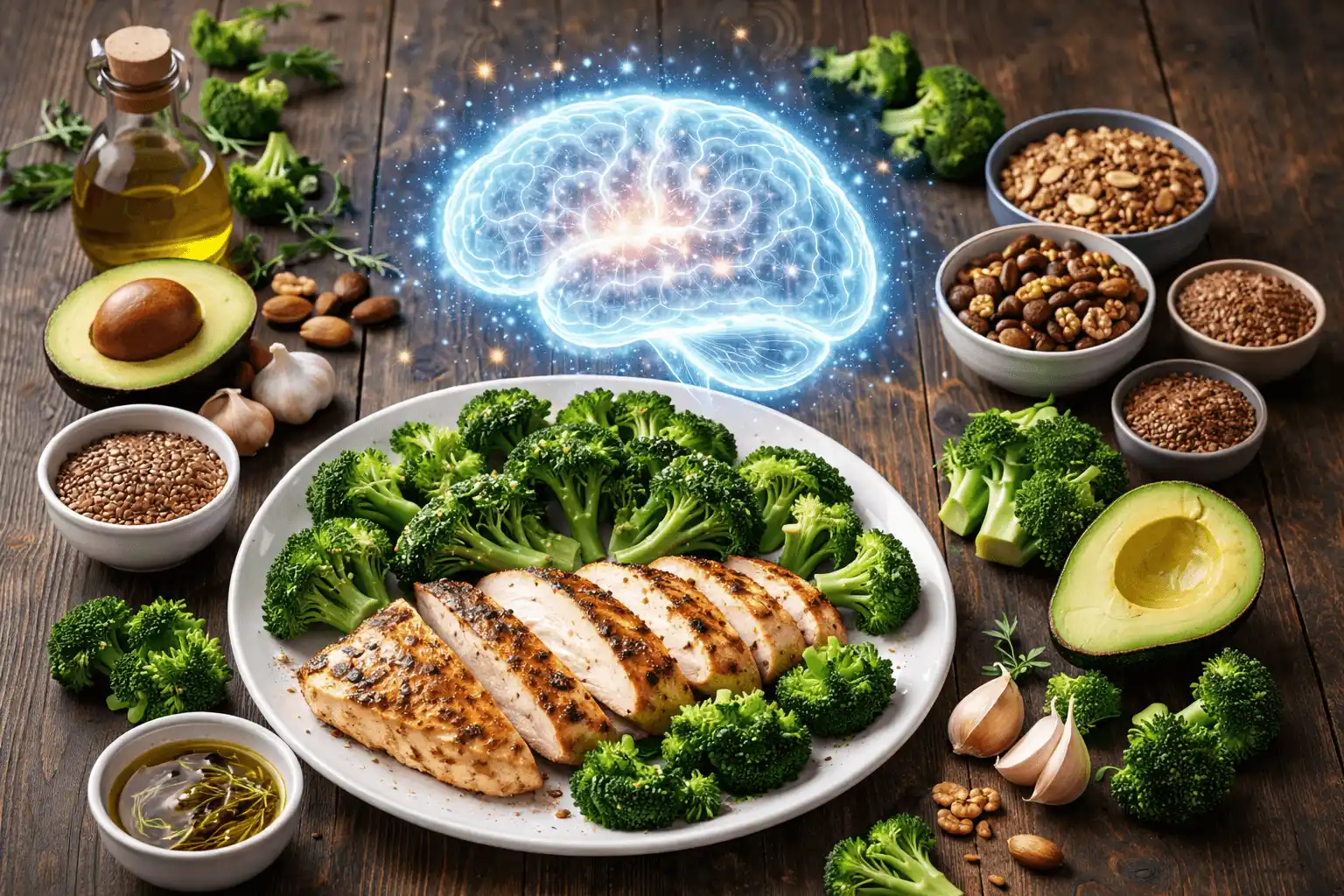
Dr. Schneider emphasizes that autophagy requires genuine metabolic shift, not just reduced carbohydrates. Successful ketogenic intervention means choosing foods that optimize the omega-3 to omega-6 fatty acid ratio while providing micro-nutrient density without inflammatory seed oils. Pasture-raised chicken offers clean protein and beneficial fats when the animals ate their natural diet of bugs and vegetation rather than inflammatory grain feed. Broccoli and other cruciferous vegetables provide fiber, phytonutrients, and complex carbohydrates while having minimal impact on blood glucose levels.
This simple combination represents the core principle of high-quality protein sources, healthy fats, and low-glycemic vegetables that won't spike insulin. The Zone diet's 40-30-30 ratio provided the framework, but Dr. Schneider leaned toward true ketogenic macros with higher fat percentages as his understanding deepened. The key is training your body to burn fat efficiently, which requires consistency over weeks and months rather than occasional low-carb days.
Pasture-raised meats matter because conventionally raised animals fed corn and soy develop inflammatory fat profiles that transfer to consumers. When cows graze on healthy grass and chickens eat their natural diet, the resulting meat contains optimal omega-3 content and beneficial nutrients impossible to obtain from grain-fed sources. Organic vegetables matter because pesticide residues and depleted soil minerals reduce the nutritional value of conventionally grown produce.
Beyond Diet for Complete Recovery
Ketogenic nutrition represented only one component of Dr. Schneider's recovery. Interactive metronome therapy helped rebuild neural timing and coordination, training his brain to process information with proper sequencing. CPAP therapy for severe sleep apnea became essential rather than optional. Without adequate oxygenation during sleep, no amount of dietary intervention could support neurological healing. Most people hate CPAP machines, but Dr. Schneider credits his device with enabling six to seven hours of restorative sleep that fueled recovery.
Years later, Wharton's jelly stem cell therapy through the Hope Regeneration Center provided the final breakthrough. Eight years post-stroke, 2025 marked the first year Dr. Schneider could exercise daily without debilitating fatigue and brain fog. The stem cells and exosomes from umbilical cord tissue strengthened his system enough that consistent physical activity became possible. He now wears a weight vest during workouts, uses an exercise bike, swim spa, rowing machine, stair climber, Bosu ball for balance, and kettle-bells. This routine would have been unthinkable even two years earlier.
The faith component cannot be separated from Dr. Schneider's recovery. Every morning, his team prays together, dedicating their work to Jesus Christ and asking for strength and guidance to treat difficult cases. His near-death experience during the stroke brought faith to the forefront of everything he did. This daily spiritual commitment creates the catalyst for healing that extends beyond physical and metabolic interventions.
Activate Your Brain's Hidden Potential
Dr. Schneider's journey from four devastating brain traumas to running a premier brain injury recovery center demonstrates that neurological damage isn't necessarily permanent when metabolic healing is prioritized. The conventional model assumes glucose-dependent brain metabolism as fixed and unchangeable, but ketogenic intervention proves the brain functions better on clean ketone fuel that doesn't create oxidative damage while simultaneously activating cleanup systems.
His frustration with conventional medicine's limitations led him to identify as "The Grumpy Old Doc." He's grumpy because he's tired of seeing sick people stay sick under insurance-controlled protocols that prioritize cost containment over comprehensive healing. Hope Brain Body Recovery Center doesn't accept insurance specifically because Dr. Schneider refuses to let bureaucrats dictate treatment timelines or limit programs to what's financially convenient rather than clinically optimal.
The brain can heal when you trigger autophagy and remove the obstacles conventional medicine never addresses.
To learn more about ketogenic diet protocols for brain injury recovery and comprehensive neurological rehabilitation, listen to the full episode on My POTS Podcast and visit HopeBrainCenter.com. Understanding that your brain possesses a self-cleaning system waiting to be activated changes everything about recovery from traumatic brain injury, stroke, and degenerative neurological conditions.
Connect with Dr. Joseph Schneider:
Website: Hope Brain and Body Recovery Center; Hope Regeneration Center
Podcast: MyPOTSPodcast.com
LinkedIn: Joseph Schneider
YouTube: HopeBrainBodyRecoveryCenter
Instagram: @HopeBrainCenter_
Facebook: Hope Brain and Body Recovery Center
Related Blog
Duis mi velit, auctor vitae leo a, luctus congue dolor. Nullam at velit quis tortor malesuada ultrices vitae vitae lacus. Curabitur tortor purus, tempor in dignissim eget, convallis in lorem.


Comments